
If I could only cook one seafood pasta for the rest of my life, it would be linguine with clams. Fresh clams steam open in olive oil, garlic, chili and white wine, then the linguine finishes cooking right in their salty, sea-sweet juices until it is glossy and full of flavor. It is simple, elegant and tastes like an Italian seaside trattoria.
Below I will show you how to choose and purge clams so your pasta is never gritty, the ingredients, step-by-step directions, my best tips, easy variations, common mistakes and how to handle leftovers. The printable recipe card with exact measurements and estimated nutrition is waiting at the bottom of the post.
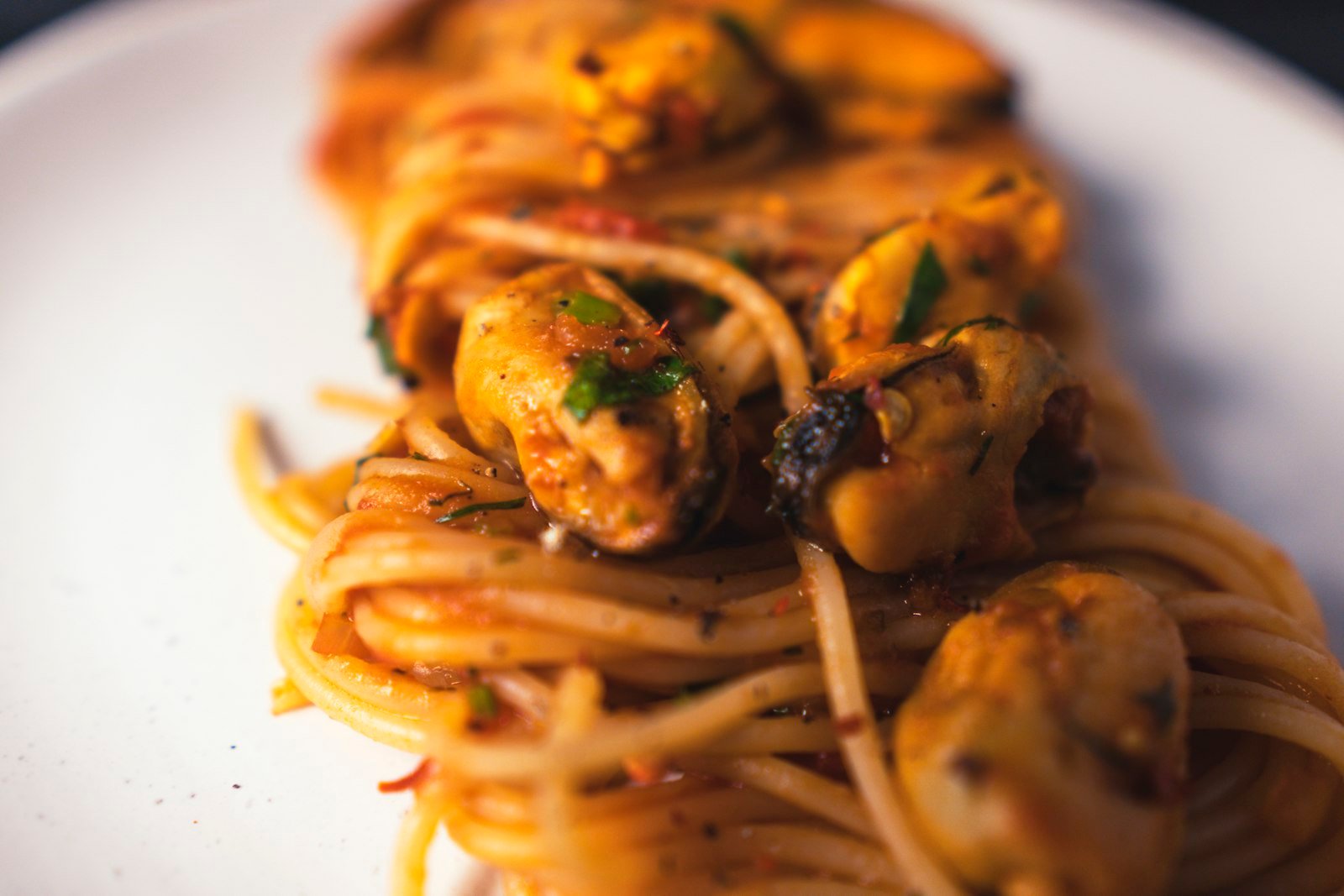
Why This Linguine alle Vongole Works
In Italy this dish is called linguine or spaghetti alle vongole, and the white version, without tomato, is the classic. There is no cream, no cheese and very few ingredients, so each one has to shine. The clams do most of the work by releasing their briny liquor, which becomes the sauce.
- Purged clams. A short soak in salted water helps the clams spit out sand, so every bite is clean.
- Cooking clams separately from the pasta. The clams steam in a covered skillet, and you pull each one as soon as it opens, so none overcook.
- Finishing the pasta in clam juice. Draining the linguine early and letting it simmer in the clam broth seasons it from the inside.
- A little butter. Not traditional everywhere, but one small knob helps the oil and clam juice come together into a glossy, clinging sauce.
- Lots of parsley. Fresh flat-leaf parsley keeps the dish bright and green.
It is a weeknight-friendly dinner once you have the method down, and it is one of the most beloved pasta courses for a Christmas Eve Feast of the Seven Fishes, which falls on Thursday, December 24, 2026.
Choosing the Best Clams
Small hard-shell clams are best for pasta. In the United States, look for littlenecks, the smallest size of quahog, or Manila clams, which are sweet, tender and have thin shells. Cockles also work if you can find them. Avoid large cherrystones and chowder clams here, since they are better chopped for soups.
Buy clams from a busy seafood counter, ideally the day you cook them. They should smell like clean sea water, and the shells should be tightly closed or close when you tap them. Discard any with cracked or broken shells. At home, store them in a bowl in the refrigerator covered with a damp towel, never sealed in plastic or submerged in fresh water.
How to Purge and Clean Clams
Farmed clams are often fairly clean, but purging is quick insurance against a gritty bite. Here is my simple method.
- Make a salty bath. Stir about 2 tablespoons of kosher salt into each quart (1 liter) of cold water, so it tastes like the sea.
- Soak the clams. Add the clams in a single layer if possible and refrigerate for 30 to 60 minutes. They will open slightly and push out sand.
- Lift, do not pour. Lift the clams out with your hands so the sand stays at the bottom of the bowl.
- Scrub. Scrub each shell under cold running water with a stiff brush and tap any open ones. Discard any that do not close.
Always salt the soaking water, since plain fresh water can kill the clams. Do not soak them for hours either. An hour is plenty, and the clams should go straight into the pan afterward.
Ingredients You Will Need
- Clams: 3 pounds (1.4 kg) littleneck or Manila clams, purged and scrubbed.
- Linguine: 12 ounces (340 g) dried linguine or spaghetti.
- Extra virgin olive oil: The base of the sauce.
- Garlic: Five cloves, thinly sliced, so they turn sweet and golden instead of harsh.
- Red pepper flakes: A gentle warmth that is classic in southern Italy.
- Dry white wine: A crisp, unoaked white like Pinot Grigio or Vermentino.
- Unsalted butter: Two tablespoons to finish the sauce.
- Fresh parsley: A generous handful, chopped.
- Lemon: A little zest and juice at the end, optional but lovely.
Notice there is no salt in the sauce. The clam liquor and the pasta water bring plenty, so season only at the very end, after tasting.
How to Make Linguine with Clams
Put the pasta water on to boil first and use a wide 12-inch skillet with a lid for the clams. Salt the pasta water a little more lightly than usual, since the clam juice is salty.
- Start the pasta. Boil the linguine for 2 minutes less than the package directions. Reserve 1 cup (240 ml) pasta water, then drain.
- Cook the garlic. While the pasta cooks, warm the olive oil in the skillet over medium heat. Add the garlic and pepper flakes and cook for 1 to 2 minutes until the garlic is pale golden.
- Steam the clams. Add the wine and bring to a boil, then add the clams. Cover and cook over medium-high heat for 5 to 8 minutes, shaking the pan occasionally.
- Pull them as they open. Check every minute or so and move opened clams to a bowl with tongs. Discard any that have not opened after about 10 minutes.
- Finish the pasta in the broth. Add the drained linguine to the clam juices in the skillet. Toss over medium-high heat for 2 to 3 minutes, adding pasta water as needed, until the pasta is al dente and coated.
- Add butter and herbs. Off the heat, toss in the butter, most of the parsley and a little lemon zest and juice until glossy.
- Return the clams. Add the clams and any juices from the bowl, toss once more and serve with the rest of the parsley.
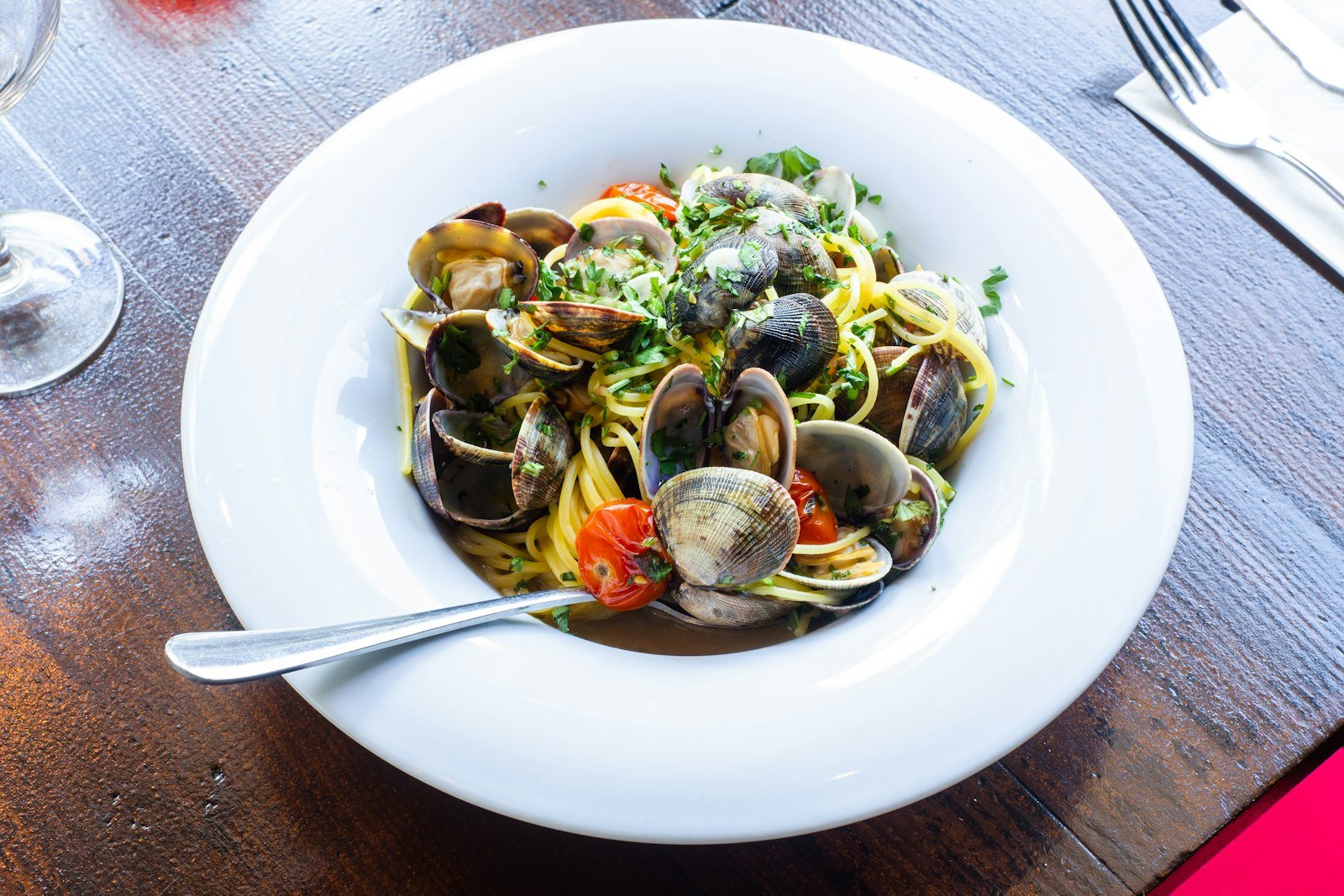
If you notice any grit at the bottom of the skillet after steaming, pour the clam juice through a fine strainer lined with a paper towel into a bowl, wipe out the pan and return the strained juice before adding the pasta.
Tips for the Best Clam Linguine
- Do not brown the garlic. Golden is perfect, dark brown is bitter.
- Keep a lid nearby. Steam is what opens the clams, so keep the pan covered between checks.
- Shell some clams. For easier eating, pull half the clams from their shells and toss the meat into the pasta, leaving the rest in the shell for looks.
- Toss vigorously. Movement helps the starch, oil and juices emulsify into a sauce.
- Serve right away. The pasta keeps absorbing the sauce, so get it to the table hot.
For more seafood pasta, try my bright Sicilian shrimp linguine with capers and the garlicky shrimp scampi pasta with lemon butter, or turn the same broth idea into a pot of mussels steamed in white wine. Find many more in my favorite seafood recipes.
Easy Variations
- Red clam sauce: Add a cup of crushed tomatoes or a handful of halved cherry tomatoes with the wine for linguine with red clam sauce.
- Canned clams: In a pinch, use two 6.5-ounce (184 g) cans of chopped clams. Add the clam juice with the wine and stir in the clams at the very end just to heat.
- Toasted breadcrumbs: Sprinkle with garlicky toasted breadcrumbs for crunch instead of cheese.
- Pancetta: Crisp 3 ounces (85 g) of diced pancetta before the garlic for a smoky version.
- Mixed shellfish: Add a pound of mussels with the clams for a richer seafood pasta.
Whatever you change, keep the core technique the same: gentle garlic, a hot steam to open the shellfish, and pasta finished in the briny cooking liquid. That one method will give you a glossy, flavorful seafood pasta every time, whether you use clams, mussels or a mix of both.
What to Serve with Linguine with Clams
Keep the rest of the menu simple so the clams stay the star. A crusty loaf of bread is a must for soaking up the last of the garlicky juices, and a green salad with lemon vinaigrette or a plate of roasted broccolini balances the richness. Sautéed spinach with garlic is another easy, classic side.
For a bigger seafood dinner, start with crispy calamari fritti or baked stuffed shrimp, then serve the pasta as the main course. To drink, pour the same crisp white wine you cooked with. Finish with something light, like lemon sorbet, biscotti or a bowl of fresh citrus.
Common Mistakes and How to Fix Them
| Problem | Likely cause | How to fix it |
|---|---|---|
| Gritty sauce | Clams not purged or sand left in the pan | Purge in salted water and strain the clam juice if needed |
| Rubbery clams | Clams left in the pan after opening | Remove each clam as soon as it opens |
| Watery, thin sauce | Pasta not finished in the broth | Toss the pasta in the clam juice over high heat until glossy |
| Too salty | Heavily salted pasta water | Salt pasta water lightly and taste before seasoning |
| Bitter garlic | Garlic browned too far | Cook over medium heat just until pale golden |
Storage and Seafood Safety
Clams are cooked when their shells open. Throw away any clams that stay closed after cooking, as well as any that were cracked or gaping and would not close before cooking. Keep raw clams cold at 40°F (4°C) or below and cook them within a day or two. You can read more in the FDA guide to selecting and serving fresh and frozen seafood safely.
This pasta is best eaten fresh. Refrigerate leftovers within 2 hours, ideally with the clams removed from their shells, and eat within 1 to 2 days. Reheat gently in a skillet with a splash of water until steaming hot. I do not recommend freezing it, since the clams become tough and the linguine turns soft.
Frequently Asked Questions
Do I have to purge clams?
It is highly recommended. Farmed clams are usually fairly clean, but a 30 to 60 minute soak in salted water removes any remaining sand.
What are the best clams for linguine with clams?
Small littlenecks or Manila clams are ideal because they are tender, sweet and cook quickly.
What should I do with clams that do not open?
Throw them away. Clams that stay closed after about 10 minutes of steaming should not be eaten.
Can I use canned clams?
Yes. Use two cans of chopped clams with their juice, adding the clams at the very end so they do not toughen.
Do you put cheese on linguine alle vongole?
Traditionally, Italians do not add cheese to clam pasta, but you can add a little if you enjoy it.
Ready to cook? Here is the full printable linguine with clams recipe with exact measurements and estimated nutrition.
Linguine with Clams
Ingredients
Method
- Dissolve the salt in cold water, add the clams and refrigerate for 30 to 60 minutes. Lift them out, scrub under cold water and discard any cracked shells or open clams that do not close.
- Boil the linguine in lightly salted water for 2 minutes less than the package directions. Reserve 1 cup pasta water and drain.
- Meanwhile, warm the olive oil in a large skillet over medium heat. Cook the garlic and pepper flakes for 1 to 2 minutes until pale golden.
- Add the wine, bring to a boil and add the clams. Cover and cook over medium-high heat for 5 to 8 minutes, moving clams to a bowl as they open. Discard any unopened after about 10 minutes.
- Strain the clam juices if sandy. Add the linguine to the juices and toss over medium-high heat for 2 to 3 minutes, adding pasta water as needed, until al dente.
- Off the heat, toss in the butter, most of the parsley and the lemon. Return the clams and their juices, toss and serve with the remaining parsley.
Notes
I hope this briny, garlicky pasta becomes one of your favorite seafood dinners. If you make it, please leave a comment and a star rating below and tell me which clams you used. Happy cooking, friends!
Free email bonus
30-Minute Meals
Loved this recipe? Get my collection of fast, family-favorite dinners, plus new seasonal recipes straight to your inbox.