
There is something about a stack of fluffy buttermilk pancakes that makes any morning feel like a weekend. These are the pancakes I grew up loving at diners: thick and tall, with lightly crisp golden edges, a tender, airy center and just a hint of tang from the buttermilk. A pat of butter melting on top and a pour of warm maple syrup, and breakfast is perfect.
Making truly fluffy pancakes at home is all about a few small techniques, from how you mix the batter to how hot the pan should be. In this guide I will explain why buttermilk makes such a difference, why a lumpy batter is a good thing, and how to know exactly when to flip. You will find the full printable recipe card at the end of the post.
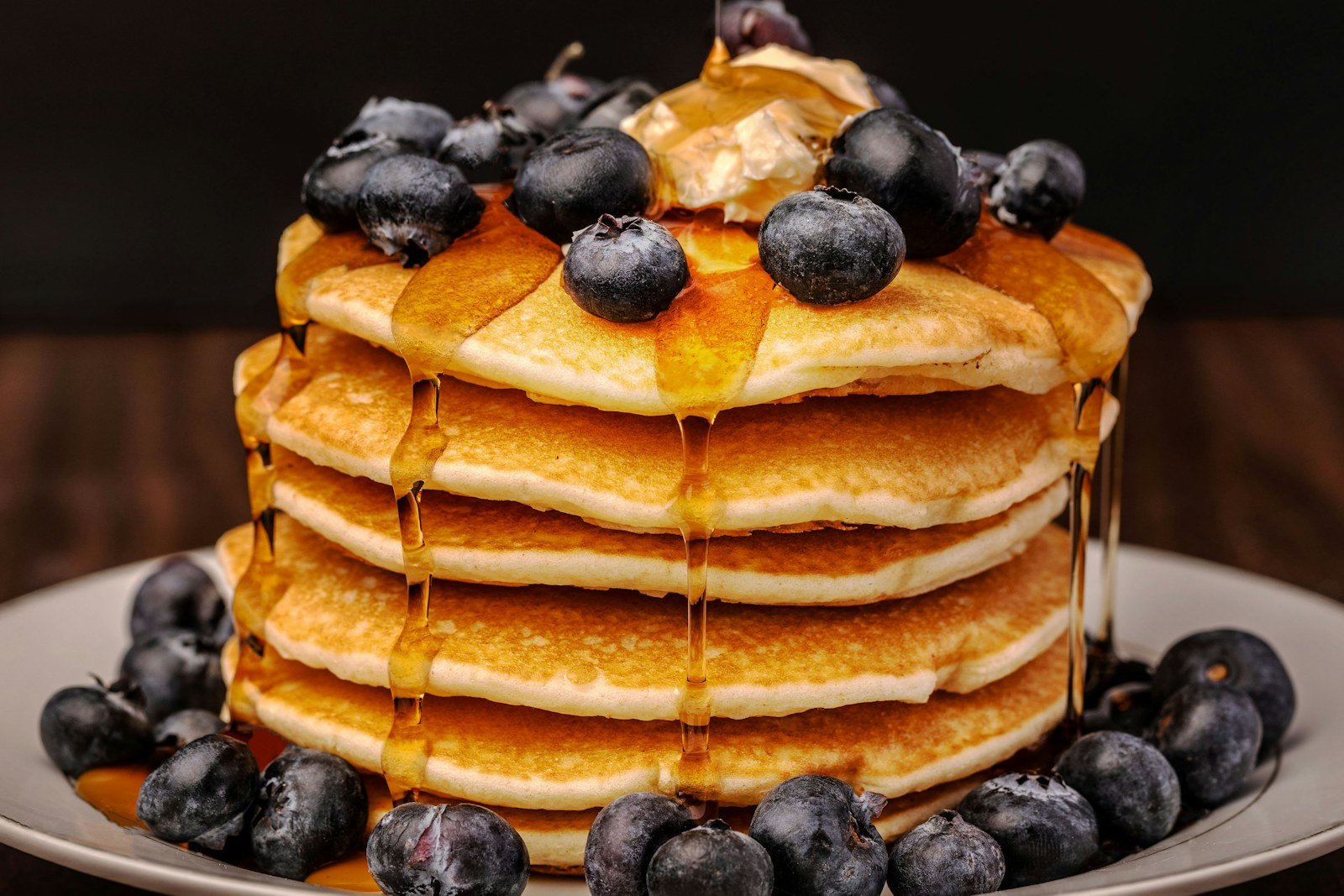
Why This Fluffy Buttermilk Pancakes Works
The best pancakes are light and fluffy with plenty of rise, but still rich and flavorful. This recipe uses the chemistry of buttermilk and leaveners, plus a couple of simple techniques, to get there every time. None of it is complicated, and once you have made the batter twice you will be able to whip it up without looking at the recipe.
- Real buttermilk. Its acidity reacts with baking soda for extra lift and gives the pancakes a tender crumb and subtle tang.
- Baking powder and baking soda. Using both gives the batter a strong, even rise.
- Melted butter in the batter. It adds rich flavor and helps the edges crisp.
- Minimal mixing. A few lumps mean you have not overworked the gluten, which keeps the pancakes soft rather than chewy.
- A short rest. Letting the batter sit for 5 to 10 minutes allows the flour to hydrate and the bubbles to form.
The result is fluffy buttermilk pancakes that stay tall on the plate instead of flattening, with a flavor that needs nothing more than butter and syrup. They are sturdy enough to stack high and soft enough to cut with the side of a fork, which is exactly what a great diner pancake should be.
Ingredients You Need
You only need basic pantry staples for these pancakes. Exact amounts are in the recipe card below; here is what each ingredient does. Because pancakes have so few ingredients, freshness matters. Baking powder and baking soda lose strength over time, so if yours have been open for more than six months, replace them; it is the easiest way to guarantee a tall, fluffy stack.
- All-purpose flour: spooned and leveled so the batter is not too thick.
- Sugar: a little sweetness and helps the pancakes brown.
- Baking powder and baking soda: the leaveners responsible for the rise.
- Salt: balances the sweetness and enhances flavor.
- Buttermilk: cold from the fridge is fine. See the tip below if you do not have any.
- Eggs: add structure and richness.
- Unsalted butter: melted and slightly cooled, plus more for the pan.
- Vanilla extract: a small splash for warm, bakery-style flavor.
- Toppings: maple syrup, butter, fresh berries, whipped cream or a sprinkle of powdered sugar.
How to Make Fluffy Buttermilk Pancakes
Heat your pan while the batter rests so everything is ready at the same time. A preheated griddle is the key to evenly golden pancakes. Set out your toppings, warm the syrup in a small pan and put a baking sheet with a wire rack in a low oven before you begin.
- Mix the dry ingredients. In a large bowl, whisk the flour, sugar, baking powder, baking soda and salt until evenly combined.
- Mix the wet ingredients. In a separate bowl or large measuring jug, whisk the buttermilk, eggs, melted butter and vanilla until smooth.
- Combine gently. Pour the wet ingredients into the dry and fold with a spatula just until no dry flour remains. The batter should be thick and lumpy. Let it rest for 5 to 10 minutes.
- Preheat the pan. Heat a griddle or large nonstick skillet over medium heat, around 350°F (175°C). Lightly brush with butter. A drop of water should sizzle and dance on the surface.
- Cook the first side. Pour 1/4 cup of batter per pancake onto the griddle. Cook for 2 to 3 minutes, until bubbles form on the surface, the edges look set and the underside is golden.
- Flip and finish. Flip once and cook for 1 to 2 minutes more, until golden and cooked through. Keep warm in a low oven while you cook the rest, then serve with butter and syrup.
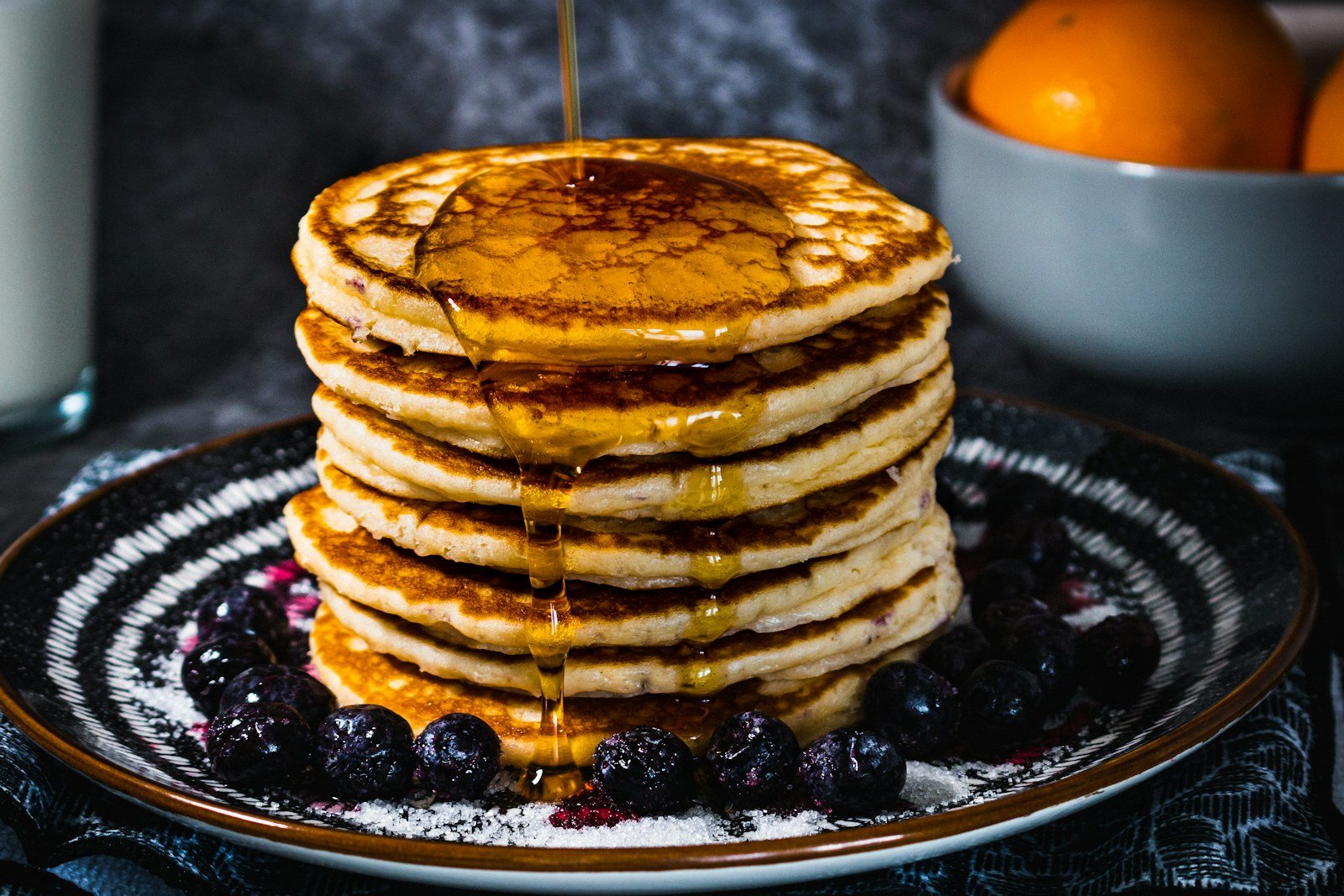
The first pancake is often a test run, so use it to adjust your heat. If it browns too fast before the bubbles appear, lower the heat slightly; if it takes longer than 3 minutes to color, turn it up a touch. Once the temperature is right, the rest of the batch will be beautifully consistent. If you are cooking for a crowd, an electric griddle is a worthwhile investment: it holds a steady temperature and lets you cook six or eight pancakes at once, so everyone can sit down to eat together instead of waiting in shifts by the stove.
Expert Tips for the Best Results
- Do not overmix. Lumps are good. Overmixing develops gluten and makes pancakes tough and flat.
- Do not press them down. Pressing the pancake after flipping squeezes out the air you worked to create.
- Flip only once. Multiple flips deflate the pancakes and make them dense.
- Use a measuring cup. Pouring the same amount each time gives you evenly sized pancakes that cook at the same rate.
- Keep them warm on a rack. Place cooked pancakes on a wire rack in a 200°F (95°C) oven so they stay crisp instead of steaming in a stack.
Easy Variations to Try
This buttermilk pancake batter is the perfect base for your favorite mix-ins. Add fruit or chocolate directly to each pancake in the pan rather than stirring it into the bowl, so the pieces stay evenly spread and do not sink or tint the batter:
- Blueberry pancakes: scatter fresh blueberries onto each pancake right after pouring, before flipping.
- Chocolate chip: sprinkle mini chocolate chips onto the batter in the pan.
- Banana pancakes: add thin banana slices to the batter and a pinch of cinnamon to the dry ingredients.
- Whole wheat: swap half of the flour for white whole wheat flour and add an extra splash of buttermilk.
- Lemon ricotta: fold 1/2 cup ricotta and the zest of a lemon into the batter.
Planning a brunch? Browse our easy breakfast and brunch recipes, add something sweet with our make-ahead Italian dessert, or serve a savory side from our simple side dish ideas.
Common Mistakes and How to Fix Them
| Problem | Likely cause | How to fix it |
|---|---|---|
| Flat, dense pancakes | Overmixed batter or old leaveners | Mix gently and check the date on your baking powder |
| Burnt outside, raw inside | Pan too hot | Cook over medium heat and adjust after the first pancake |
| Pale, greasy pancakes | Pan not hot enough or too much butter | Preheat well and brush the pan lightly |
| Rubbery texture | Batter overworked | Stop mixing when streaks of flour disappear |
| Pancakes spread too thin | Batter too runny | Measure flour correctly and let the batter rest |
How to Store, Freeze and Reheat Pancakes
Refrigerator: cool leftover pancakes completely, then store them in an airtight container or zip-top bag for up to 3 days. Freezer: freeze in a single layer on a baking sheet, then transfer to a freezer bag with parchment between layers for up to 2 months.
Reheating: pop frozen pancakes straight into the toaster, or warm them on a baking sheet at 350°F (175°C) for 8 to 10 minutes. The microwave works for a quick breakfast in 30 to 60 seconds. Leftover batter should not be stored for long, as the leaveners lose power; for guidance on keeping egg-based foods safe, see FoodSafety.gov.
Frequently Asked Questions
What makes pancakes fluffy?
Buttermilk combined with baking powder and baking soda creates lots of bubbles, and gentle mixing keeps those bubbles in the batter.
Can I make pancakes without buttermilk?
Yes. Mix 1 cup of milk with 1 tablespoon of lemon juice or vinegar, let it sit for 5 minutes, and use it in place of buttermilk.
How do I know when to flip a pancake?
Flip when bubbles form and pop on the surface, the edges look set and dry, and the underside is golden brown.
What temperature should the griddle be?
Around 350°F (175°C), or medium heat on the stove. A drop of water should sizzle immediately.
Can I make the batter ahead of time?
It is best used within 30 minutes. For make-ahead breakfasts, cook the pancakes and freeze them instead.
Ready to cook? Here is the full printable fluffy buttermilk pancakes recipe with exact measurements, times and estimated nutrition.
Fluffy Buttermilk Pancakes
Ingredients
Method
- Whisk the flour, sugar, baking powder, baking soda and salt in a large bowl.
- In another bowl, whisk the buttermilk, eggs, melted butter and vanilla.
- Pour the wet ingredients into the dry and fold just until combined; the batter should be lumpy. Rest 5 to 10 minutes.
- Heat a griddle over medium heat (about 350°F / 175°C) and brush lightly with butter.
- Pour 1/4 cup batter per pancake. Cook 2 to 3 minutes until bubbles form and edges set, then flip and cook 1 to 2 minutes more.
- Keep warm in a 200°F (95°C) oven and serve with butter, syrup and berries.
Notes
I hope these fluffy buttermilk pancakes become a weekend tradition in your home. If you make them, leave a comment and a star rating below and tell me your favorite topping!
Free email bonus
30-Minute Meals
Loved this recipe? Get my collection of fast, family-favorite dinners, plus new seasonal recipes straight to your inbox.