
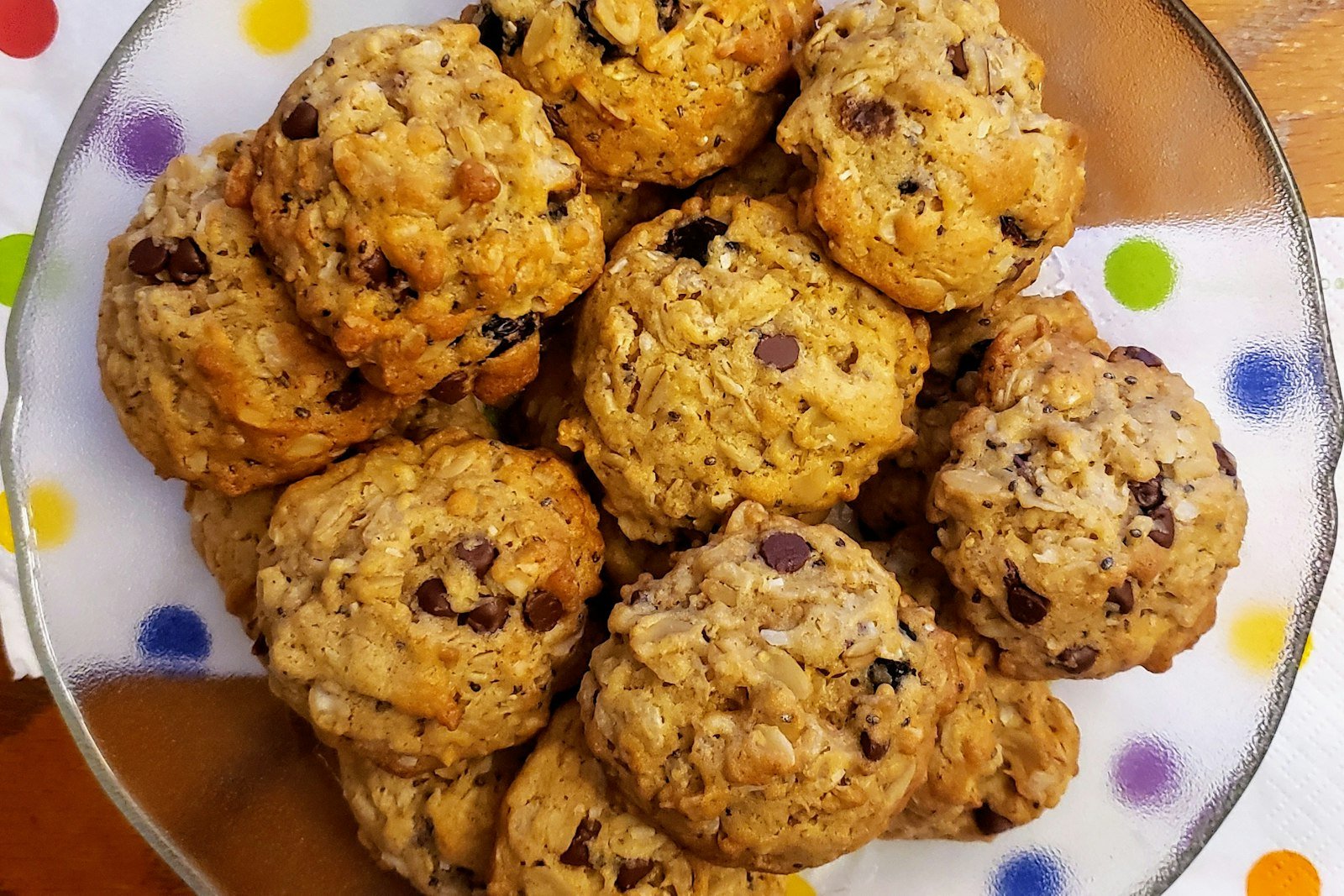
Some cookies are trendy, and some are forever. These oatmeal cookies are the forever kind. They are thick and soft in the middle, chewy all the way through and just a little crisp at the golden edges, with deep brown sugar flavor and a gentle warmth from cinnamon. They are the cookies I bake when I want the whole house to smell like a hug.
In this post I explain the small details that keep oatmeal cookies soft for days, which oats to buy, why chilling matters and how to tell when they are perfectly baked. You will also find mix-in ideas, a troubleshooting table and freezing tips. The printable recipe card with exact measurements is at the bottom of the post.
Why These Oatmeal Cookies Stay Soft and Chewy
A great oatmeal cookie should never be dry or crumbly. This recipe uses a few simple tricks to keep every cookie soft, thick and chewy long after it cools.
- More brown sugar than white. Brown sugar holds moisture and adds a rich, caramel-like flavor that pairs perfectly with oats.
- An extra egg yolk. Two eggs plus one yolk give the cookies a tender, chewy texture and a richer flavor.
- Old-fashioned oats. Whole rolled oats keep their shape and give the cookies a hearty chew.
- A short chill. Thirty minutes in the fridge lets the oats absorb some moisture and keeps the cookies from spreading thin.
- Pulling them early. The cookies come out when the centers still look slightly underdone. They finish setting on the hot pan.
The result is the kind of oatmeal cookie that tastes like it came from a cozy small-town bakery, yet it comes together in one bowl with ingredients you probably have right now.
Ingredients You Will Need
Classic oatmeal cookies rely on pantry basics. Quality butter, fresh spices and the right oats make the biggest difference.
- Unsalted butter: Softened to room temperature, so it creams into a light, fluffy base.
- Light brown sugar: Packed. Dark brown sugar works too and gives a deeper molasses flavor.
- Granulated sugar: A smaller amount for crisp, golden edges.
- Eggs plus one yolk: At room temperature for a smooth dough.
- Vanilla extract: Use pure vanilla for the best flavor.
- All-purpose flour: Spooned and leveled, never scooped straight from the bag.
- Baking soda, cinnamon and salt: Soda helps the cookies brown and spread just enough, while cinnamon adds warmth.
- Old-fashioned rolled oats: Not steel-cut, and ideally not instant.
- Optional mix-ins: Raisins, chocolate chips, dried cranberries or chopped walnuts.
How to Make Soft Oatmeal Cookies
You can make this dough with a stand mixer, a hand mixer or even a sturdy wooden spoon and some elbow grease.
- Cream the butter and sugars. Beat the softened butter, brown sugar and granulated sugar on medium speed for 2 to 3 minutes, until light and creamy.
- Add the eggs and vanilla. Beat in the eggs and egg yolk one at a time, then the vanilla, scraping down the bowl as needed.
- Add the dry ingredients. Sprinkle the baking soda, cinnamon and salt over the butter mixture and mix briefly, then add the flour and mix on low just until combined.
- Stir in the oats. Add the oats and any mix-ins and stir with a spatula until evenly distributed.
- Chill. Cover the bowl and refrigerate the dough for 30 minutes, or up to 3 days.
- Scoop. Heat the oven to 350°F (175°C) and line baking sheets with parchment. Scoop 2-tablespoon balls of dough about 2 inches apart.
- Bake. Bake one sheet at a time for 10 to 12 minutes, until the edges are golden and the centers look puffy and slightly underbaked.
- Cool. Let the cookies rest on the hot sheet for 5 minutes, then transfer them to a wire rack.
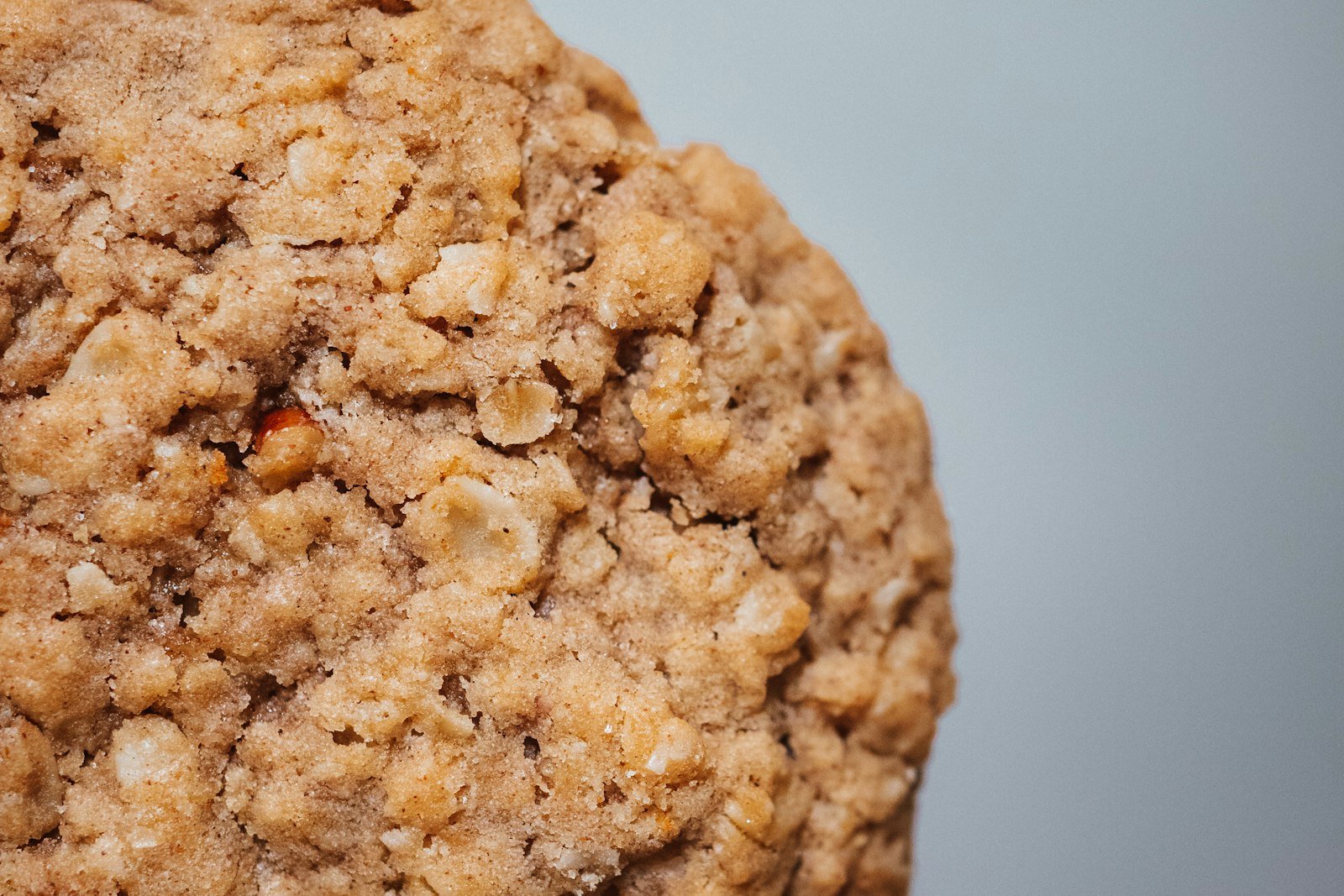
For extra thick, bakery-style cookies, roll each ball slightly taller than it is wide before baking. Right out of the oven, you can also nudge any uneven cookies into perfect circles with the rim of a glass.
Choosing the Right Oats
The type of oats you use changes the texture more than any other ingredient in this recipe, so it is worth a moment at the grocery store.
- Old-fashioned rolled oats: My top pick. They give a hearty, chewy texture with visible oat flakes and a classic look.
- Quick oats: These are rolled thinner and cut smaller. They make a softer, more uniform cookie that is a little more cakey. You can use them one-for-one if that is what you have.
- Instant oatmeal packets: Skip them. They are often flavored and sweetened and turn pasty in cookies.
- Steel-cut oats: These stay hard and crunchy because they do not soften during the short baking time.
For gluten-free cookies, use certified gluten-free oats along with a good measure-for-measure gluten-free flour blend. Let the dough rest a full hour so the flour hydrates.
Building Big Flavor in Old Fashioned Oatmeal Cookies
Oatmeal cookies can taste flat if the flavor is an afterthought. A few small choices turn them from plain to irresistible.
- Toast the oats. Spread the oats on a sheet pan and bake at 350°F (175°C) for 8 to 10 minutes, stirring once, until fragrant. Cool them completely before adding them to the dough. They taste nutty and almost like granola.
- Do not skimp on salt. Salt balances the brown sugar and makes the butter and cinnamon taste brighter.
- Add a pinch of nutmeg. Just 1/8 teaspoon gives a warm, old-fashioned bakery flavor without tasting spiced.
- Finish with flaky salt. A light sprinkle on top of the warm cookies is especially good with chocolate chips.
Resting the dough also improves the flavor. When I have time, I chill it for a full day, and the cookies taste deeper and more caramel-like, with beautifully browned edges.
Tips for the Best Oatmeal Cookies
- Measure the flour correctly. Too much flour is the number one cause of dry, cakey oatmeal cookies.
- Use softened, not melted, butter. Melted butter makes the cookies spread thin and greasy.
- Do not skip the chill. It gives you thicker cookies and deeper flavor.
- Bake on parchment, not a greased sheet, so the cookies do not spread too much.
- Underbake slightly. The centers should look soft and a little shiny when you take them out.
- Store with a slice of bread in the container to keep the cookies soft for days.
- Rotate the baking sheets between batches and let each sheet cool before scooping more dough, because a hot pan starts melting the butter before the cookies reach the oven.
- Weigh the flour and oats if you own a kitchen scale. It is the easiest way to get the same perfect texture every single time you bake.
Cookie jar favorites are my love language. Try my chewy brown butter chocolate chip cookies, cinnamon sugar classic snickerdoodle cookies or crackly soft molasses cookies. For more sweet ideas, browse my dessert recipes collection.
Easy Variations and Mix-Ins
- Oatmeal raisin cookies: Stir in 1 cup plumped raisins and a pinch of nutmeg.
- Oatmeal chocolate chip cookies: Fold in 1 1/2 cups semisweet chocolate chips.
- Cranberry white chocolate: Add 3/4 cup dried cranberries and 3/4 cup white chocolate chips for a festive holiday twist.
- Nutty oatmeal cookies: Add 1 cup toasted chopped walnuts or pecans.
- Iced oatmeal cookies: Dip the tops of cooled cookies in a thin vanilla glaze and let it set.
- Brown butter version: Brown the butter, chill until solid but soft, then proceed as written for a toasty, nutty flavor.
Common Mistakes and How to Fix Them
| Problem | Likely cause | How to fix it |
|---|---|---|
| Cookies spread too much | Butter too soft or dough not chilled | Use softened butter and chill the dough for 30 minutes. |
| Dry, crumbly cookies | Too much flour or overbaked | Spoon and level the flour and pull them while the centers look soft. |
| Cakey, puffy cookies | Quick oats or too much flour | Use old-fashioned oats and measure carefully. |
| Hard raisins | Raisins not soaked | Plump them in hot water for 10 minutes first. |
| Burnt bottoms | Dark pan or rack too low | Use a light-colored pan with parchment on the middle rack. |
| Bland flavor | Not enough salt or old cinnamon | Use the full amount of salt and fresh spices. |
Make Ahead, Storage and Freezing
Store baked oatmeal cookies in an airtight container at room temperature for up to 5 days. A slice of sandwich bread in the container keeps them extra soft, because the cookies pull moisture from the bread.
This dough contains raw eggs and raw flour, so please bake it before eating, no matter how tempting it is. The FDA explains the risks in its guide say no to raw dough.
To freeze, scoop the dough into balls, freeze them on a sheet pan until firm, then transfer to a freezer bag for up to 3 months. Bake straight from frozen, adding 1 to 2 minutes. Baked cookies also freeze well for up to 3 months. Thaw them at room temperature in their container.
When to Bake a Batch
Oatmeal cookies fit every season. They are perfect for lunch boxes, after-school snacks and bake sales, and they pack well for road trips because they do not crumble easily.
During the holidays, I add cranberries and white chocolate and tuck them into cookie tins next to festive favorites. With Christmas on Friday, December 25, you can freeze dough balls in early December and bake fresh cookies for neighbors and friends whenever you need them. A dozen warm oatmeal cookies wrapped in parchment and tied with twine is a simple, thoughtful gift.
They are also an easy way to get kids involved in the kitchen. Little bakers can measure the oats, stir in the raisins or chocolate chips and roll the dough into balls, while you handle the oven.
Frequently Asked Questions
Can I use quick oats for oatmeal cookies?
Yes. Quick oats make a softer, slightly cakier cookie. Use the same amount and keep the chill time.
Why are my oatmeal cookies flat?
The butter was too soft or melted, or the dough was not chilled. Chill it for 30 minutes and bake on parchment.
Do I have to chill the dough?
It is strongly recommended. Chilling gives thicker, chewier cookies and lets the oats absorb moisture.
How do I keep oatmeal cookies soft?
Underbake them slightly, store them airtight and add a slice of bread to the container.
Can I freeze oatmeal cookie dough?
Yes. Freeze scooped dough balls for up to 3 months and bake from frozen with 1 to 2 extra minutes.
Ready to bake? Here is the full printable soft oatmeal cookies recipe with exact measurements, baking time and estimated nutrition.
Soft and Chewy Oatmeal Cookies
Ingredients
Method
- Beat the butter, brown sugar and granulated sugar on medium for 2 to 3 minutes until creamy.
- Beat in the eggs and egg yolk one at a time, then the vanilla.
- Mix in the baking soda, cinnamon and salt, then add the flour and mix on low just until combined.
- Stir in the oats and any mix-ins. Cover and refrigerate for 30 minutes or up to 3 days.
- Heat the oven to 350°F (175°C) and line baking sheets with parchment. Scoop 2-tablespoon balls 2 inches apart.
- Bake one sheet at a time for 10 to 12 minutes, until the edges are golden and the centers look slightly underbaked.
- Cool on the sheet for 5 minutes, then transfer to a wire rack.
Notes
I hope these soft and chewy oatmeal cookies earn a permanent spot in your cookie jar. If you bake them, please leave a comment and a star rating below and tell me which mix-ins you chose. Happy baking, friends. Chef Amber
Free email bonus
30-Minute Meals
Loved this recipe? Get my collection of fast, family-favorite dinners, plus new seasonal recipes straight to your inbox.