
A basket of warm dinner rolls fresh from the oven is the quiet hero of every holiday table. These soft homemade rolls are fluffy, slightly sweet and brushed with melted butter, with tender, pull-apart sides and golden tops. They are made with simple pantry ingredients, and the dough is easy enough for first-time bread bakers.
In this post I explain why the recipe works, the ingredients, the step-by-step method, how to tell when the dough has risen, tips, flavor variations, common mistakes and how to make the rolls ahead or freeze them for Thanksgiving. The printable recipe card with exact measurements and estimated nutrition is at the bottom of the post.
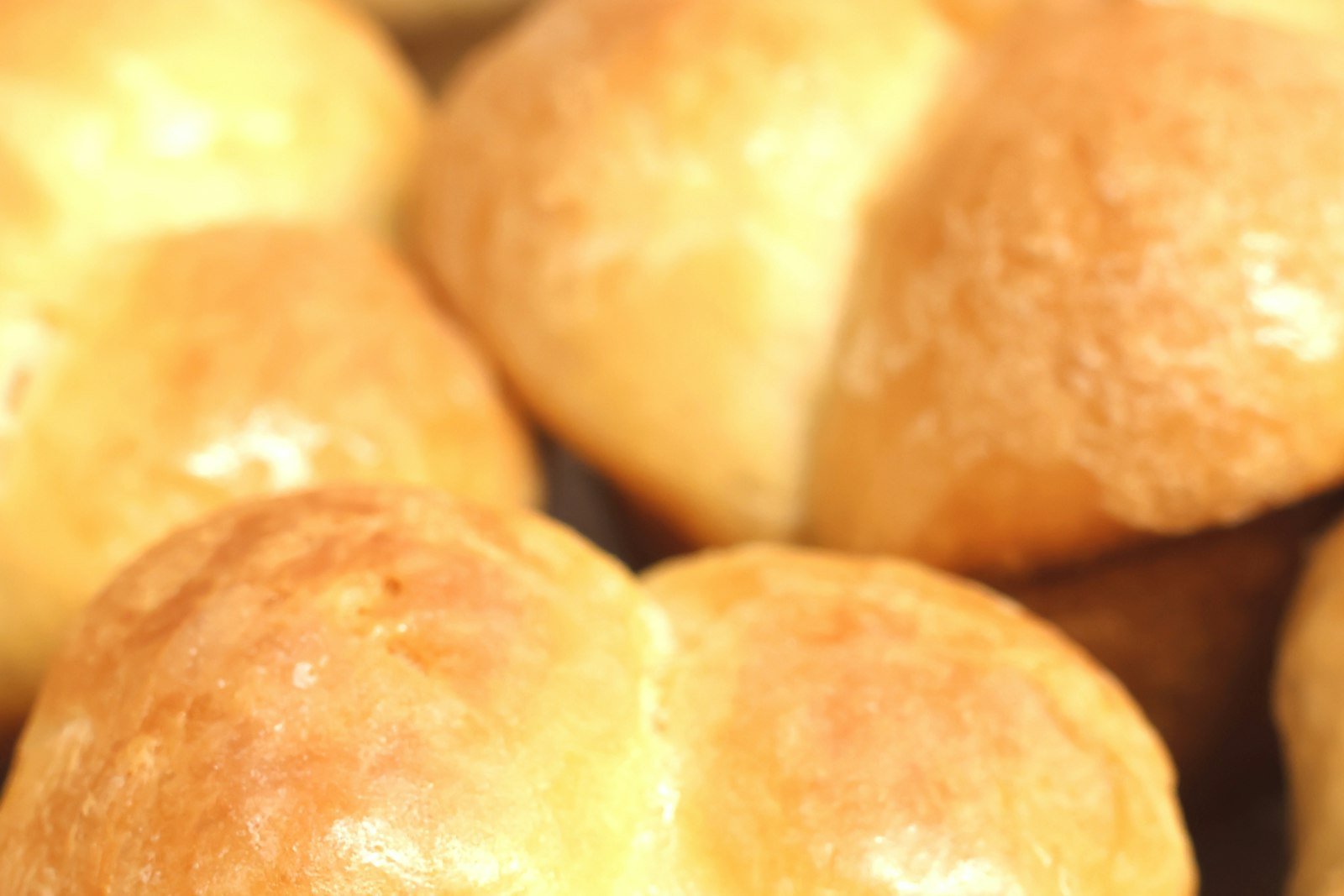
Why These Dinner Rolls Work
Soft rolls come from an enriched dough, which simply means a yeast dough made with milk, butter, sugar and egg. Each of those ingredients does a specific job, and together they make rolls that stay tender for days.
- Warm milk. It feeds the yeast and makes a softer, richer crumb than water.
- Butter and egg. Fat and egg yolk tenderize the dough and give the rolls their golden color and rich flavor.
- A little sugar. Just enough for gentle sweetness and quick browning without tasting like dessert.
- A slightly sticky dough. Adding only enough flour to keep the dough from sticking to your hands keeps the rolls light and pillowy.
- Baking close together. Rolls nestled in one pan rise up instead of out, giving you those soft, pull-apart sides.
A final brush of melted butter right out of the oven keeps the tops soft and shiny. They taste every bit as good as bakery rolls, and your kitchen will smell amazing. Best of all, the dough is forgiving, so even if your first batch is not perfectly round, the rolls will still be soft and delicious.
Ingredients You Will Need
You probably have everything for these yeast rolls in your pantry right now.
- Milk: One cup (240 ml) of whole or 2 percent milk, warmed to about 110°F (43°C).
- Yeast: One packet, or 2 1/4 teaspoons, of instant or active dry yeast.
- Granulated sugar: One-quarter cup (50 g).
- Butter: One-quarter cup (55 g) melted in the dough, plus 2 tablespoons for brushing.
- Egg: One large egg at room temperature.
- Salt: One teaspoon of fine salt for flavor and to control the yeast.
- All-purpose flour: About 3 1/2 cups (440 g). Bread flour also works and makes a slightly chewier roll.
Spoon the flour into the measuring cup and level it off, or weigh it. Scooping straight from the bag packs in extra flour and makes dense rolls.
How to Make Soft Dinner Rolls
You can mix this dough with a stand mixer fitted with a dough hook or by hand with a sturdy spoon and a little kneading.
- Activate the yeast. In a large bowl, stir together the warm milk, sugar and yeast. Let it sit for 5 to 10 minutes until foamy.
- Add the wet ingredients. Whisk in the melted butter, egg and salt.
- Mix the dough. Add 3 cups of flour and mix until a shaggy dough forms. Add more flour, a tablespoon at a time, until the dough pulls away from the bowl.
- Knead. Knead for 6 to 8 minutes in the mixer, or 8 to 10 minutes by hand, until smooth, elastic and just slightly tacky.
- First rise. Place the dough in a greased bowl, cover and let it rise in a warm spot for 1 to 1 1/2 hours until doubled.
- Shape. Punch down the dough and divide it into 15 equal pieces of about 50 g each. Roll each into a smooth ball and arrange in a greased 9×13-inch pan.
- Second rise. Cover and let the rolls rise for 45 to 60 minutes until puffy and touching. Preheat the oven to 350°F (175°C).
- Bake. Bake for 20 to 22 minutes until golden brown and 190°F (88°C) in the center. Brush immediately with melted butter.

Let the rolls cool in the pan for about 10 minutes, then serve them warm. A light sprinkle of flaky salt over the buttered tops is a simple, special finishing touch.
How to Tell When Your Dough Has Risen
Rising times depend on the warmth of your kitchen, so it is better to watch the dough than the clock. These are the signs I look for.
- Doubled in size. For the first rise, the dough should be roughly twice as big. A straight-sided container makes this easy to judge.
- The poke test. Lightly flour a finger and press it about 1/2 inch into the dough. If the dent springs back slowly and partly fills in, it is ready.
- Puffy and touching. For the second rise, the shaped rolls should look pillowy and press against each other in the pan.
- Not collapsing. If the dough sinks or smells strongly of alcohol, it has over-proofed. Reshape and let it rise again briefly.
A good warm spot is an oven with only the light turned on, or near, but not on, a warm stovetop. In a cool kitchen the first rise may take closer to 2 hours, and that is perfectly fine.
Tips for the Best Soft Homemade Dinner Rolls
- Keep the dough soft. A slightly tacky dough bakes into fluffier rolls than a stiff, dry one.
- Shape tight balls. Pull the dough taut underneath and pinch it closed. A smooth surface rises evenly and browns beautifully.
- Weigh the pieces. A kitchen scale makes every roll the same size, so they bake evenly.
- Do not overbake. Pull the rolls as soon as they are golden and reach 190°F (88°C) for the softest texture.
- Butter them hot. Brushing right away lets the butter soak in and keeps the crust tender.
- Use a metal pan. Light-colored metal conducts heat evenly and browns the bottoms gently. In a glass dish, lower the oven to 325°F (165°C) and bake a few minutes longer.
- Cover while rising. Plastic wrap or a damp towel stops a dry skin from forming on the dough.
These rolls are made for a holiday spread. Serve them alongside my creamy garlic mashed potatoes and a pan of classic green bean casserole, then use any extras to soak up a bowl of leftover turkey noodle soup. You will find more homemade loaves and rolls in my bread recipes collection.
Thanksgiving Day Timeline for Yeast Rolls
Oven space is precious on Thanksgiving, so timing your rolls well makes the whole day smoother. Here is a simple plan for serving dinner at 4 p.m. on Thursday, November 26.
| When | What to do | Notes |
|---|---|---|
| Wednesday evening | Make, knead and shape the dough | Cover the pan tightly and refrigerate overnight |
| Thursday, 1:30 p.m. | Take the rolls out of the refrigerator | Let them rise in a warm spot until puffy |
| Thursday, 3:00 p.m. | Bake while the turkey rests | The turkey needs about 30 minutes of resting anyway |
| Thursday, 3:25 p.m. | Brush with butter and cover with a towel | They stay warm for about 30 minutes |
| Thursday, 4:00 p.m. | Serve warm in a lined basket | Rewarm in foil for 5 minutes if needed |
If you prefer to bake earlier in the week, freeze the baked rolls and simply reheat them in foil while the turkey rests.
Easy Variations
- Garlic herb rolls: Brush the baked rolls with butter mixed with minced garlic, parsley and a pinch of salt.
- Honey butter rolls: Stir 1 tablespoon of honey into the melted butter for brushing.
- Parmesan rolls: Sprinkle grated Parmesan over the rolls before baking.
- Whole wheat: Replace up to 1 cup of the all-purpose flour with whole wheat flour and add an extra tablespoon of milk.
- Cloverleaf rolls: Divide each roll into 3 small balls and bake them in a greased muffin tin for 15 to 18 minutes.
- Slider buns: Divide the dough into 18 pieces, flatten slightly and bake on a sheet pan for 15 to 18 minutes.
All of these variations use the same dough, so you can even make half plain and half flavored in one pan.
Common Mistakes and How to Fix Them
Bread baking becomes easier with practice. Here are the problems I see most often and how to fix them.
| Problem | Likely cause | How to fix it |
|---|---|---|
| Dough did not rise | Milk too hot or old yeast | Use milk around 110°F (43°C) and check the yeast expiration date |
| Dense, heavy rolls | Too much flour | Spoon and level or weigh the flour and keep the dough slightly tacky |
| Dry rolls | Overbaked | Bake just until 190°F (88°C) and golden |
| Uneven sizes | Pieces not weighed | Use a scale to divide the dough evenly |
| Pale tops | Oven too cool or no butter | Check oven temperature and brush with butter or egg wash |
Make Ahead, Storage and Freezing
For a stress-free holiday, shape the rolls, cover the pan tightly and refrigerate overnight, up to 18 hours. The next day, let them sit at room temperature for 1 to 1 1/2 hours until puffy, then bake as directed. Store baked rolls in an airtight bag at room temperature for up to 3 days. Because this dough contains raw egg, do not taste it before baking, as the FDA explains in its advice to say no to raw dough.
To reheat, wrap the rolls in foil and warm them in a 300°F (150°C) oven for 10 to 12 minutes, or microwave individual rolls for about 10 seconds.
To freeze, cool baked rolls completely and freeze them in a zip-top bag for up to 3 months. Thaw at room temperature, then rewarm in foil. You can bake them a couple of weeks before Thanksgiving on November 26 and simply reheat on the big day.
Frequently Asked Questions
Can I use active dry yeast instead of instant?
Yes. Use the same amount and let it foam in the warm milk for 5 to 10 minutes before adding the rest of the ingredients.
Can I make dinner rolls without a stand mixer?
Yes. Mix the dough with a wooden spoon, then knead by hand on a lightly floured surface for 8 to 10 minutes.
Why are my rolls dense?
Usually too much flour or a short rise. Keep the dough slightly tacky and let it rise until fully doubled.
Can I bake these on a sheet pan?
Yes. Space the rolls 2 inches apart for individual rolls with crisper sides, and bake for 15 to 18 minutes.
How do I keep homemade rolls soft?
Brush them with butter while hot, cool them covered with a towel and store them in an airtight bag.
Ready to bake? Here is the full printable soft dinner rolls recipe with exact measurements and estimated nutrition.
Soft Homemade Dinner Rolls
Ingredients
Method
- Stir the warm milk, sugar and yeast together in a large bowl and let sit for 5 to 10 minutes until foamy.
- Whisk in the melted butter, egg and salt.
- Add 3 cups of flour and mix until a shaggy dough forms, then add more flour a tablespoon at a time until the dough pulls away from the bowl.
- Knead for 6 to 8 minutes in a mixer or 8 to 10 minutes by hand until smooth and slightly tacky.
- Place in a greased bowl, cover and let rise in a warm spot for 1 to 1 1/2 hours until doubled.
- Punch down the dough, divide into 15 equal pieces, shape into smooth balls and arrange in a greased 9×13-inch pan.
- Cover and let rise for 45 to 60 minutes until puffy. Preheat the oven to 350°F (175°C).
- Bake for 20 to 22 minutes until golden and 190°F (88°C) in the center. Brush with melted butter and cool 10 minutes before serving.
Notes
I hope these fluffy rolls bring a little extra warmth to your holiday table. If you bake them, please leave a comment and a star rating below and tell me which variation you tried. Happy baking, friends!
Free email bonus
30-Minute Meals
Loved this recipe? Get my collection of fast, family-favorite dinners, plus new seasonal recipes straight to your inbox.