
Some cookies win you over with frosting and sprinkles. Shortbread cookies win with pure, rich butter flavor and a texture that is somehow sandy, tender and crisp all at once. With only butter, sugar, flour, cornstarch and a pinch of salt, every ingredient matters, which is exactly why a good recipe makes such a difference.
In this post I explain why this butter shortbread works, which ingredients to choose, how to mix, roll, chill and bake the dough, and how to tell when the cookies are perfectly done. You will also find flavor variations, a troubleshooting table, make-ahead and freezing tips, a holiday baking plan and answers to common questions. The full printable recipe card is at the bottom of the post.
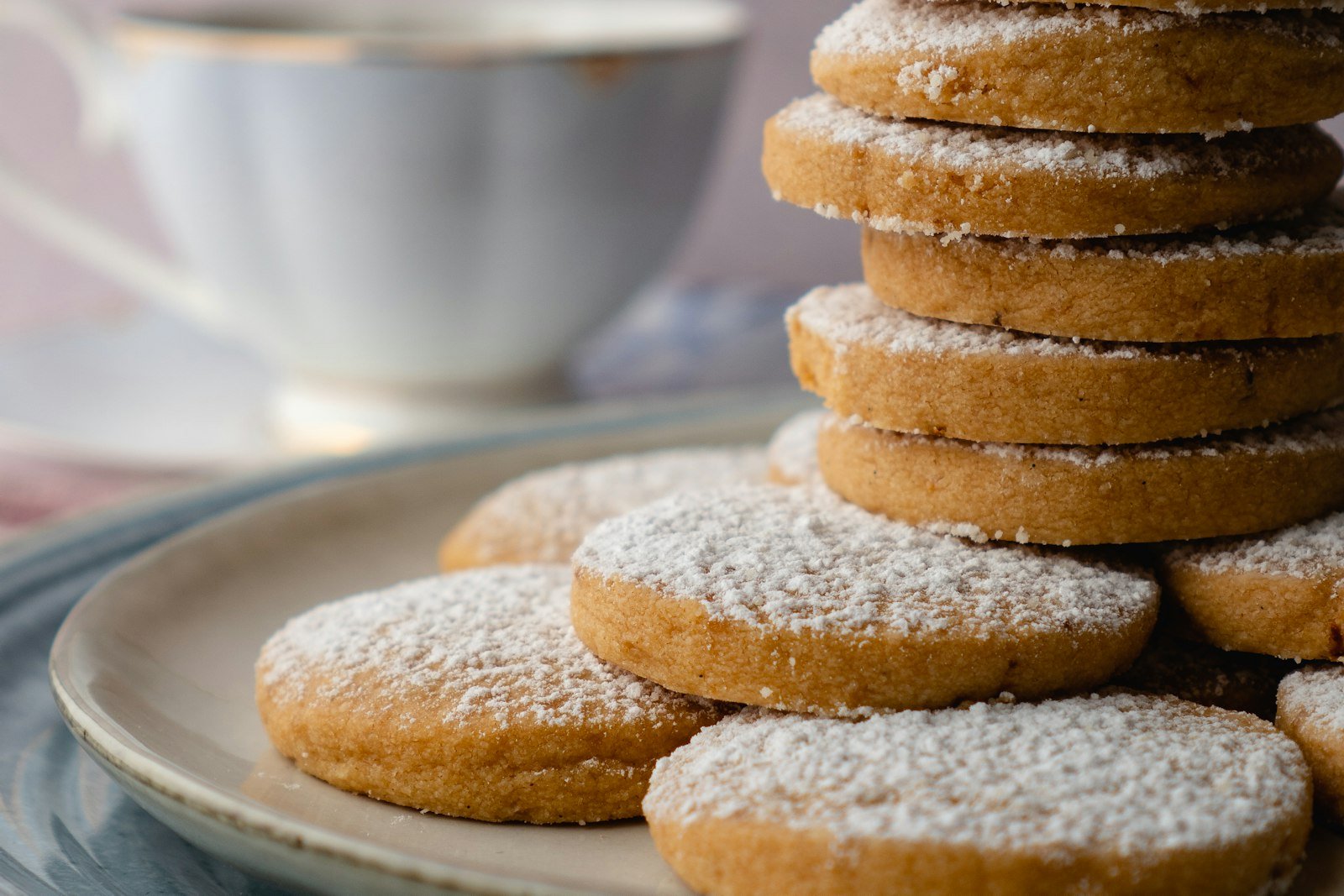
Why These Butter Shortbread Cookies Work
Traditional shortbread follows a simple ratio of one part sugar, two parts butter and three parts flour. I keep that spirit but swap a little of the flour for cornstarch, which softens the crumb and gives the cookies that melt-in-your-mouth finish people love.
- Plenty of butter. With no eggs or leavening, butter provides the flavor, the richness and the tender, short texture that gives the cookie its name.
- A touch of cornstarch. It lowers the protein in the dough, so the cookies stay delicate instead of tough.
- Gentle mixing. Beating just until the dough comes together keeps gluten from forming and prevents a chewy, bready result.
- A cold dough. Chilling the cut cookies before baking helps them keep sharp edges and a neat shape.
- A moderate oven. Baking at 325°F lets the cookies cook through evenly while the tops stay pale and the edges turn barely golden.
The result is a cookie that tastes like the best butter you have ever eaten, in crisp, buttery form. Shortbread keeps well for weeks, travels beautifully and looks elegant on a cookie tray, which is why I bake a double batch every December.
Ingredients You Will Need
Because the list is so short, it is worth buying good butter. Take it out of the fridge about 45 minutes before you start so it is soft enough to cream but still cool to the touch.
- Unsalted butter: Two sticks, softened. A European-style butter with higher fat gives an even richer flavor, but regular butter works well.
- Granulated sugar: Fine white sugar gives a classic, slightly crisp texture. Extra sugar for sprinkling adds a little sparkle.
- Pure vanilla extract: Optional in traditional Scottish shortbread, but I love the warm note it adds.
- Fine salt: Half a teaspoon balances the sweetness and makes the butter taste more buttery.
- All-purpose flour: Spoon it into the cup and level it, or weigh it. Too much flour makes the dough crumbly and hard to roll.
- Cornstarch: A quarter cup is the secret to a tender, sandy crumb.
How to Make Shortbread Cookies
You can mix this dough with a stand mixer, a hand mixer or even a wooden spoon and some elbow grease. The dough will look crumbly at first and then come together as you press it, which is completely normal.
- Cream the butter and sugar. Beat the softened butter, sugar, vanilla and salt on medium speed for about 2 minutes, until smooth and creamy but not overly fluffy.
- Add the dry ingredients. Whisk the flour and cornstarch together, then add them to the bowl and mix on low just until the dough forms clumps and no dry flour remains.
- Press it together. Turn the dough onto a lightly floured surface and gently knead two or three times until it holds together. Shape it into a disk.
- Roll the dough. Roll it between two sheets of parchment to an even 3/8-inch thickness.
- Cut the cookies. Use a 2-inch round or fluted cutter, or cut rectangles with a knife. Prick each cookie a few times with a fork and place them 1 inch apart on parchment-lined baking sheets.
- Chill. Refrigerate the cut cookies on the sheets for 30 minutes. Meanwhile, heat the oven to 325°F (165°C).
- Bake. Sprinkle the tops with a little sugar and bake one sheet at a time for 18 to 22 minutes, until the edges are just turning golden and the tops look dry and pale.
- Cool. Leave the cookies on the pan for 10 minutes, since they are fragile when warm, then move them to a wire rack to cool completely.

Reroll the scraps only once. Dough that is worked over and over becomes tougher, so press scraps together gently rather than kneading them.
Tips for the Best Classic Shortbread Recipe
- Weigh the flour if you can. About 250 grams of flour plus 30 grams of cornstarch gives the right balance.
- Do not overbeat the butter and sugar. Too much air makes the cookies puff and lose their dense, sandy texture.
- Roll the dough to an even thickness so every cookie bakes at the same rate.
- Watch the edges, not the tops. Shortbread should stay pale on top, with only a light golden ring at the bottom edge.
- Let the cookies cool completely before stacking. They firm up and become crisp as they cool.
Shortbread is the elegant anchor of my holiday cookie lineup. Set it next to buttery piped holiday spritz cookies, powdered-sugar Russian tea cake snowballs and jewel-like jam-filled thumbprint cookies, or browse my full holiday recipe collection for more festive ideas.
Shapes and Finishing Touches
Shortbread is wonderfully flexible when it comes to shape. The same dough can become neat rounds, rustic wedges or tidy slice-and-bake cookies with almost no extra work.
- Classic wedges: Press the dough into a 9-inch round pan, score it into 12 wedges, prick it all over and bake for 30 to 35 minutes. Recut the lines while it is still warm.
- Slice and bake: Roll the dough into a 2-inch log, wrap it and chill for 2 hours, then slice into 3/8-inch rounds and bake as directed.
- Fingers: Cut the rolled dough into 1 by 3-inch rectangles for the traditional Scottish look.
- Chocolate dip: Dip half of each cooled cookie in melted semisweet chocolate and let it set on parchment.
- Sparkle edges: Roll a chilled log in coarse sanding sugar before slicing for a crunchy, festive rim.
Easy Variations
- Brown sugar shortbread: Replace the granulated sugar with light brown sugar for a deeper, caramel-like flavor.
- Lemon shortbread: Add the zest of one lemon with the butter and finish with a thin lemon glaze.
- Lavender or rosemary: Rub 1 teaspoon finely chopped culinary lavender or fresh rosemary into the sugar before creaming.
- Chocolate chip shortbread: Fold 1/2 cup mini chocolate chips into the dough and shape it into a slice-and-bake log.
- Pecan shortbread: Add 1/2 cup finely chopped toasted pecans with the flour for a nutty, rich cookie.
Common Mistakes and How to Fix Them
| Problem | Likely cause | How to fix it |
|---|---|---|
| Dough too crumbly to roll | Too much flour or butter too cold | Weigh the flour and let the butter soften. Knead the dough briefly with your hands to warm it. |
| Cookies spread and lose shape | Dough too warm | Chill the cut cookies for 30 minutes and bake on cool baking sheets. |
| Tough or chewy texture | Overmixed or rerolled too often | Mix just until combined and reroll scraps only once. |
| Pale and soft centers | Underbaked | Bake until the tops look dry and the bottom edges are light golden. |
| Dark brown edges | Oven too hot or thin cookies | Check the oven with a thermometer and roll the dough to a full 3/8 inch. |
| Bland flavor | Skipped the salt or used low-quality butter | Use good butter and the full amount of salt. |
Packing Shortbread Cookies as Edible Gifts
Few cookies make a better homemade gift than shortbread. It is sturdy enough to ship, keeps for two weeks and tastes like something from a fancy bakery, even though it takes less than an hour of hands-on work.
- Choose a tin. Metal tins keep the cookies crisp longer than paper boxes or cellophane bags.
- Layer with paper. Separate each layer with parchment or wax paper so the edges do not chip.
- Pack snugly. Fill any gaps with crumpled parchment so the cookies cannot slide around in transit.
- Add a label. Note the flavor and a best-by date about two weeks after baking.
Make Ahead, Storage and Freezing
Store cooled shortbread cookies in an airtight tin or container at room temperature for up to 2 weeks. Because they contain no eggs and very little moisture, they stay crisp and buttery much longer than most cookies, which makes them ideal for gifting.
The dough can be wrapped tightly and refrigerated for up to 3 days or frozen for up to 3 months. Baked cookies freeze well for up to 3 months in a freezer bag; thaw them at room temperature. Shortbread dough has no eggs, but raw flour can still carry bacteria, so resist nibbling the dough. The FDA guidance on handling flour safely explains why it should be baked first.
Planning Shortbread for the Holidays
With Thanksgiving on November 26 and Christmas on December 25, shortbread is one of the easiest cookies to bake ahead. A little planning frees up your oven and your evenings during the busiest weeks of the season.
- Four weeks ahead: Mix and shape the dough into logs, wrap well and freeze.
- One week ahead: Thaw the logs in the fridge overnight, slice, bake and cool completely.
- Gift day: Stack the cookies in tins lined with parchment or wax paper, add a ribbon and a handwritten tag.
Frequently Asked Questions
Why is my shortbread dough so crumbly?
Shortbread dough is naturally drier than other cookie doughs. Knead it briefly with your hands until it holds together, and next time weigh the flour so you do not add too much.
Should I use salted or unsalted butter?
Either works. With unsalted butter, add the 1/2 teaspoon of salt; with salted butter, reduce the added salt to a small pinch.
Why do you prick shortbread with a fork?
Pricking lets steam escape so the cookies bake flat and evenly instead of puffing or bubbling in the oven.
How do I know when shortbread cookies are done?
The tops should look dry and pale while the bottom edges turn a light golden color, usually after 18 to 22 minutes at 325°F.
How long do shortbread cookies last?
They keep for up to 2 weeks in an airtight container at room temperature and up to 3 months in the freezer.
Ready to bake? Here is the full printable shortbread cookies recipe with exact measurements, shaping options and estimated nutrition.
Shortbread Cookies
Ingredients
Method
- Beat the softened butter, 1/2 cup sugar, vanilla and salt on medium speed for about 2 minutes, until smooth and creamy.
- Whisk the flour and cornstarch together, add them to the bowl and mix on low just until the dough forms clumps and no dry flour remains.
- Turn the dough onto a lightly floured surface, knead gently two or three times until it holds together and shape it into a disk.
- Roll the dough between two sheets of parchment to 3/8-inch thickness.
- Cut out 2-inch cookies, prick each a few times with a fork and place them 1 inch apart on parchment-lined baking sheets. Reroll the scraps once.
- Refrigerate the cut cookies for 30 minutes. Heat the oven to 325°F (165°C).
- Sprinkle the cookies with the remaining sugar and bake one sheet at a time for 18 to 22 minutes, until the tops look dry and the bottom edges are light golden.
- Cool on the pan for 10 minutes, then transfer to a wire rack to cool completely.
Notes
I hope these buttery shortbread cookies become a holiday tradition in your kitchen. If you bake a batch, please leave a comment and a star rating below and tell me which shape or flavor you tried. Happy baking, friends. Chef Amber
Free email bonus
30-Minute Meals
Loved this recipe? Get my collection of fast, family-favorite dinners, plus new seasonal recipes straight to your inbox.