
If you want a breakfast that keeps you full until lunch but still feels like a treat, these cottage cheese pancakes are for you. Cottage cheese and eggs blend into a silky batter that cooks up into tender, golden pancakes with a lightly tangy, custardy center. They are not thin and rubbery like some protein pancakes, and nobody at my table has ever guessed there is cottage cheese inside.
Below I explain why these high protein pancakes work, what you need, an honest look at how much protein is in each serving, step-by-step instructions, tips for the fluffiest stack, variations, toppings, common mistakes and how to make them ahead. The printable recipe card with exact measurements and estimated nutrition is at the bottom of the post.
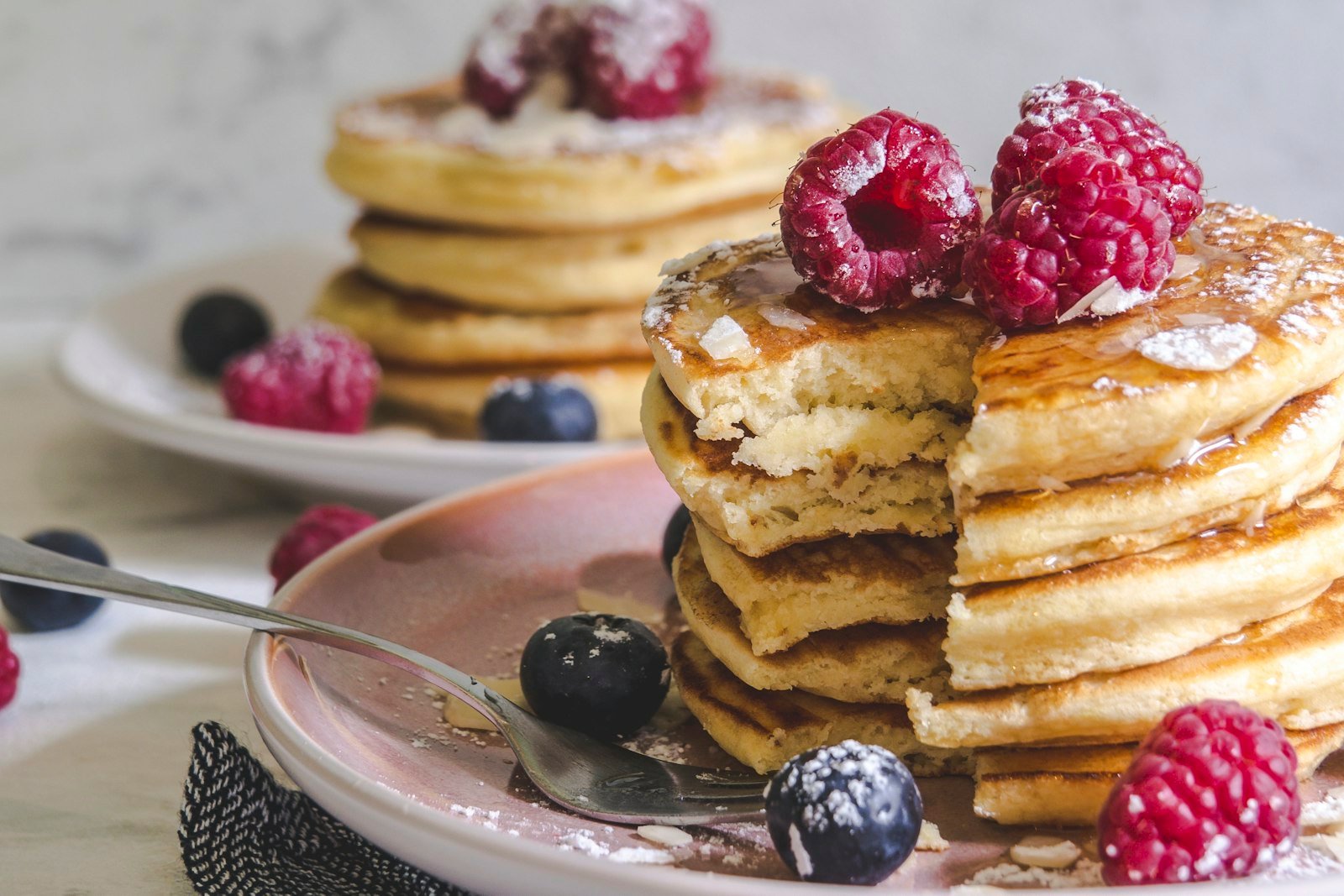
Why These Cottage Cheese Pancakes Work
Many protein pancake recipes rely on protein powder, which can make them dry, chalky or tough. These pancakes get their protein from real food instead, and a small amount of flour keeps the texture soft and familiar.
- Cottage cheese adds moisture and protein. Blended smooth, it acts like buttermilk and ricotta at the same time, giving the pancakes a rich, tender crumb.
- Three eggs for structure. The eggs add more protein and help the pancakes puff up on the griddle.
- Just enough flour. Three quarters of a cup keeps the pancakes from being too eggy while still letting the cottage cheese shine.
- Blender batter. Everything whizzes together in about 30 seconds, and you can pour straight from the blender jar.
The result is a protein breakfast that is quick enough for a weekday but special enough for a lazy Sunday brunch. They are also naturally lower in sugar than a classic stack, and they reheat beautifully for meal prep.
I started making these on busy school mornings when I wanted something more filling than cereal, and they quickly became a regular in my kitchen. A batch takes about 20 minutes from start to finish, and leftovers can be toasted straight from the fridge or freezer later in the week.
Ingredients You Will Need
You only need a handful of basic ingredients, and you probably have most of them already.
- Cottage cheese: One cup (225 g). I use 2 percent or full-fat for the best flavor and texture. Nonfat works but makes the pancakes a bit drier.
- Eggs: Three large eggs, at room temperature if you have time.
- All-purpose flour: Three quarters of a cup (95 g). Oat flour or a one-to-one gluten-free blend also work.
- Baking powder: For lift and a fluffy texture. Make sure it is fresh.
- Sugar, vanilla and salt: A little of each rounds out the flavor.
- Milk: Optional. A splash thins the batter if your cottage cheese is very thick.
- Butter or oil: For greasing the griddle.
Small curd or large curd cottage cheese both work, since everything gets blended. If you do not have a blender, you can whisk the batter by hand. The pancakes will have little pockets of cheese, similar to ricotta pancakes, which some people actually prefer.
How Much Protein Is in Cottage Cheese Pancakes?
I want to be honest with you here, because a lot of recipes online overstate protein numbers. These are estimates based on standard nutrition values for each ingredient, and your exact numbers will depend on the brands you use.
| Ingredient | Amount | Approximate protein |
|---|---|---|
| 2 percent cottage cheese | 1 cup (225 g) | About 27 g |
| Large eggs | 3 eggs | About 19 g |
| All-purpose flour | 3/4 cup (95 g) | About 10 g |
| Whole batch | About 10 small pancakes | About 56 g |
| One serving | 3 to 4 pancakes | About 19 g |
That is roughly double the protein of a typical serving of plain flour pancakes. If you want to push it higher, top your stack with half a cup of plain Greek yogurt, which adds roughly 10 to 12 grams depending on the brand, or add a side of eggs or turkey sausage.
How to Make Cottage Cheese Pancakes
These come together very quickly, so have your toppings ready before you start cooking.
- Blend the wet ingredients. Add the cottage cheese, eggs, vanilla and sugar to a blender and blend until completely smooth, about 30 seconds.
- Add the dry ingredients. Add the flour, baking powder and salt and pulse just until combined. Scrape down the sides once. If the batter is very thick, pulse in 1 to 2 tablespoons of milk.
- Rest the batter. Let it sit for 5 minutes while the griddle heats. This lets the flour hydrate and the baking powder start working.
- Heat the griddle. Warm a nonstick skillet or griddle over medium-low heat, about 350°F (175°C) on an electric griddle, and brush lightly with butter.
- Cook the pancakes. Pour about 1/4 cup of batter per pancake. Cook for 2 to 3 minutes, until the edges look set and a few bubbles appear, then flip and cook 1 to 2 minutes more until golden and cooked through.
- Keep warm and serve. Hold finished pancakes in a 200°F (95°C) oven on a baking sheet while you cook the rest.
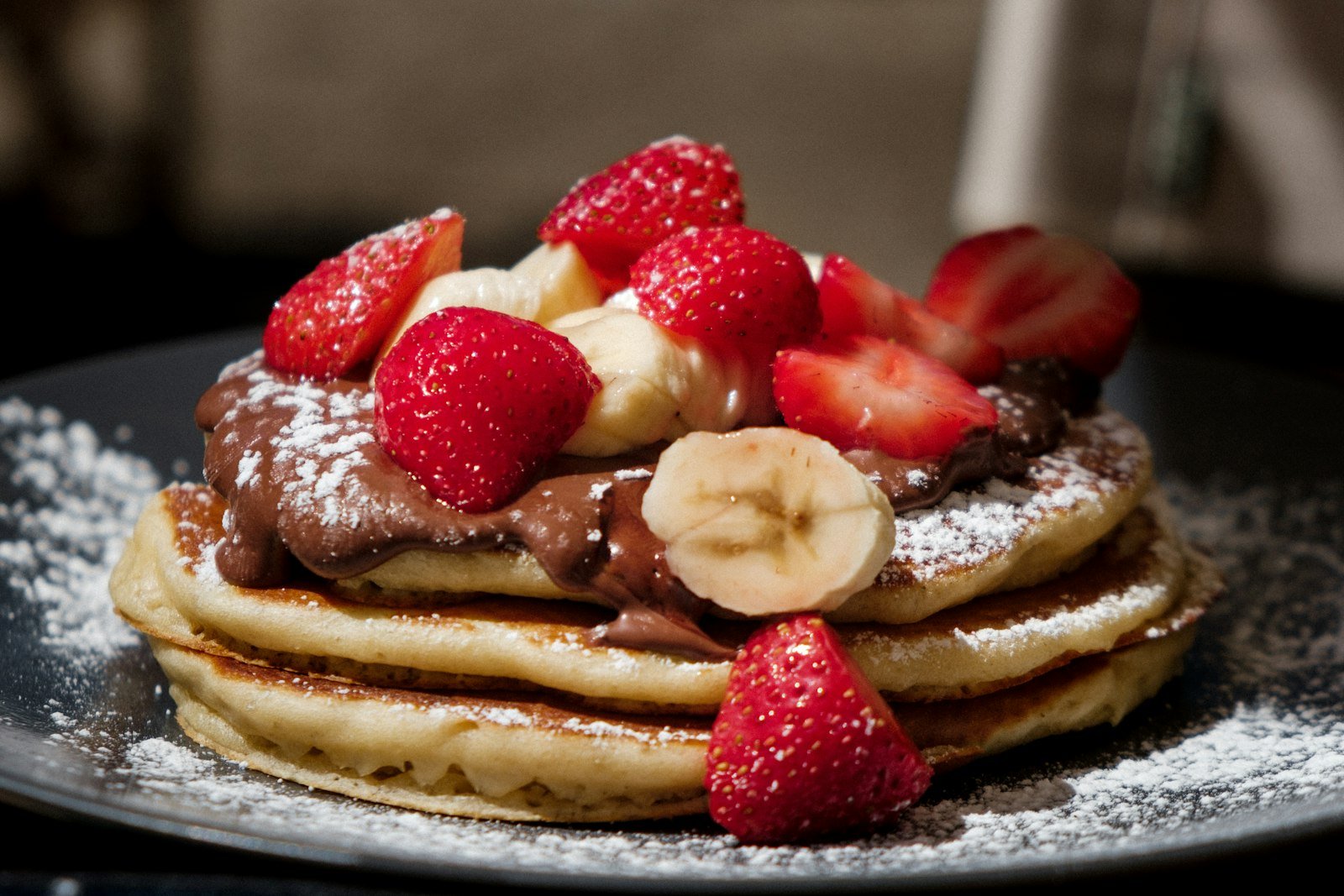
Because this batter is richer in eggs and cheese than classic pancake batter, it browns faster. Keep the heat a little lower than usual so the centers cook through before the outsides get too dark.
The first pancake is always a test. Check that it is cooked through in the center, then adjust the heat up or down for the rest of the batch. Wipe the pan and add a little fresh butter every couple of rounds to keep the color even.
Tips for Fluffy High Protein Pancakes
- Blend until silky. Lumpy cottage cheese can make the pancakes wet in spots.
- Do not overmix after adding flour. Just pulse to combine so the pancakes stay tender.
- Keep them small. Pancakes about 4 inches (10 cm) across are easier to flip and cook more evenly than big ones.
- Use medium-low heat. Patience gives you golden outsides and fully cooked centers.
- Flip only once. Pressing or flipping repeatedly deflates them.
If you love a big breakfast, you might also enjoy my classic fluffy buttermilk pancakes, grab-and-go baked oatmeal cups for meal prep, or browse all of my easy breakfast recipes for more morning inspiration.
Easy Variations
The basic batter is a blank canvas, so it is easy to change the flavor to match the season or whatever fruit you have on hand. Here are a few of my favorite twists.
- Blueberry: Drop a few fresh or frozen blueberries onto each pancake right after pouring the batter.
- Banana: Blend half a ripe banana into the batter and reduce the sugar.
- Oat flour: Swap the flour for 1 cup (90 g) of oat flour, or blend rolled oats until fine.
- Pumpkin spice: Add 1/4 cup pumpkin puree and 1 teaspoon pumpkin pie spice for a cozy fall stack.
- Chocolate chip: Sprinkle mini chocolate chips onto the pancakes before flipping.
- Extra protein: Replace 1/4 cup of the flour with 1 scoop of vanilla protein powder and add a splash of milk. The pancakes will be a little denser.
Best Toppings for a Protein Breakfast
Toppings are where you can make these pancakes as light or indulgent as you like. My favorite way to serve them is with a spoonful of Greek yogurt, a handful of fresh berries and a small drizzle of pure maple syrup. The tangy yogurt pairs perfectly with the cottage cheese flavor.
Other great options include a smear of peanut or almond butter with sliced banana, warm cinnamon apples, a spoonful of chia jam or a sprinkle of chopped toasted nuts. For a more filling plate, add scrambled eggs, turkey bacon or a smoothie on the side. For a weekend brunch crowd, serve them alongside a make-ahead hashbrown breakfast casserole and a big bowl of fruit.
Common Mistakes and How to Fix Them
Cottage cheese batter behaves a little differently from regular pancake batter, so the first batch can take some getting used to. If yours did not turn out quite right, this quick guide will help you fix it next time.
| Problem | Likely cause | How to fix it |
|---|---|---|
| Gummy or wet centers | Heat too high or pancakes too large | Lower the heat and make smaller pancakes |
| Flat, dense pancakes | Old baking powder or overmixed batter | Use fresh baking powder and pulse just to combine |
| Pancakes stick to the pan | Pan not greased or not hot enough | Brush with butter and let the pan preheat fully |
| Batter too thick to pour | Very thick or drained cottage cheese | Pulse in 1 to 2 tablespoons of milk |
| Eggy flavor | Not enough flour or vanilla | Measure the flour carefully and include the vanilla and salt |
Make Ahead, Storage and Freezing
These cottage cheese pancakes are perfect for meal prep. Let them cool completely on a wire rack, then refrigerate in an airtight container for up to 3 to 4 days. Because the batter contains eggs and dairy, do not leave cooked pancakes at room temperature for more than 2 hours. The USDA has clear guidance on leftovers and food safety if you want to learn more.
To freeze, lay the cooled pancakes on a parchment-lined baking sheet and freeze until firm, then transfer them to a freezer bag with parchment between layers. They keep for up to 2 months. Reheat straight from the freezer in the toaster, in the microwave for 30 to 45 seconds, or on a baking sheet at 350°F (175°C) for 8 to 10 minutes until hot all the way through.
You can also blend the batter the night before and refrigerate it in a covered jar. The baking powder will lose a little strength overnight, so stir in an extra 1/2 teaspoon right before cooking for the fluffiest results.
Frequently Asked Questions
Do cottage cheese pancakes taste like cottage cheese?
Not really. Once blended and cooked, the cottage cheese tastes mild and slightly tangy, a lot like buttermilk or ricotta pancakes.
How much protein is in these high protein pancakes?
By my estimate, about 19 grams per serving of 3 to 4 pancakes, depending on the brands you use. Toppings like Greek yogurt add more.
Can I make cottage cheese pancakes without a blender?
Yes. Whisk everything together in a bowl. The pancakes will have small pockets of cheese but will taste just as good.
Can I make them gluten-free?
Yes. Use oat flour made from certified gluten-free oats or a one-to-one gluten-free flour blend in place of the all-purpose flour.
Why are my cottage cheese pancakes soggy in the middle?
The heat is probably too high, so the outside browns before the center sets. Cook smaller pancakes over medium-low heat.
Ready to cook? Here is the full printable cottage cheese pancakes recipe with exact measurements and estimated nutrition.
Cottage Cheese Pancakes
Ingredients
Method
- Add the cottage cheese, eggs, sugar and vanilla to a blender and blend until completely smooth, about 30 seconds.
- Add the flour, baking powder and salt and pulse just until combined, scraping down the sides once. Pulse in 1 to 2 tablespoons of milk if the batter is too thick to pour.
- Let the batter rest for 5 minutes while you heat a nonstick skillet or griddle over medium-low heat. Brush lightly with butter.
- Pour about 1/4 cup of batter per pancake. Cook for 2 to 3 minutes, until the edges are set and bubbles appear, then flip and cook 1 to 2 minutes more until golden and cooked through.
- Keep finished pancakes warm in a 200°F (95°C) oven while you cook the rest. Serve with Greek yogurt, fresh berries and maple syrup.
Notes
I hope these fluffy pancakes make your mornings a little easier and a lot more delicious. If you try them, please leave a comment and a star rating below and tell me your favorite toppings. Happy cooking, friends!
Free email bonus
30-Minute Meals
Loved this recipe? Get my collection of fast, family-favorite dinners, plus new seasonal recipes straight to your inbox.